

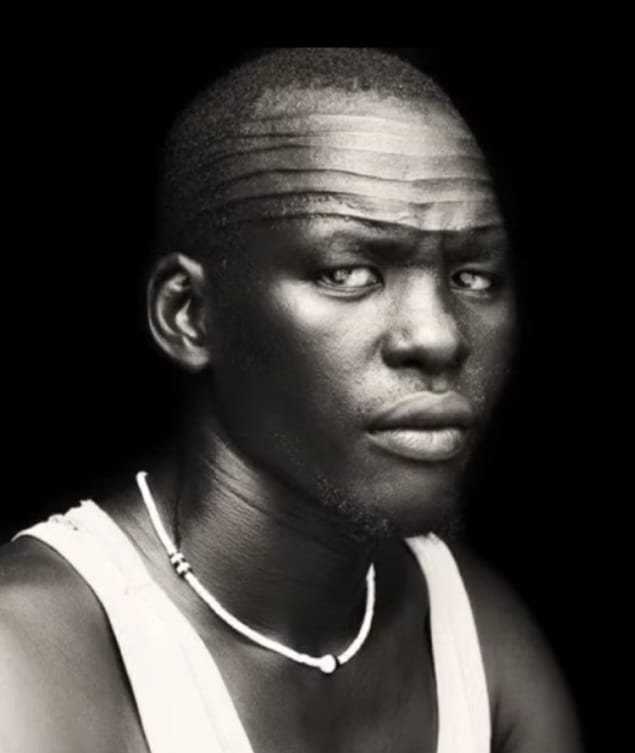
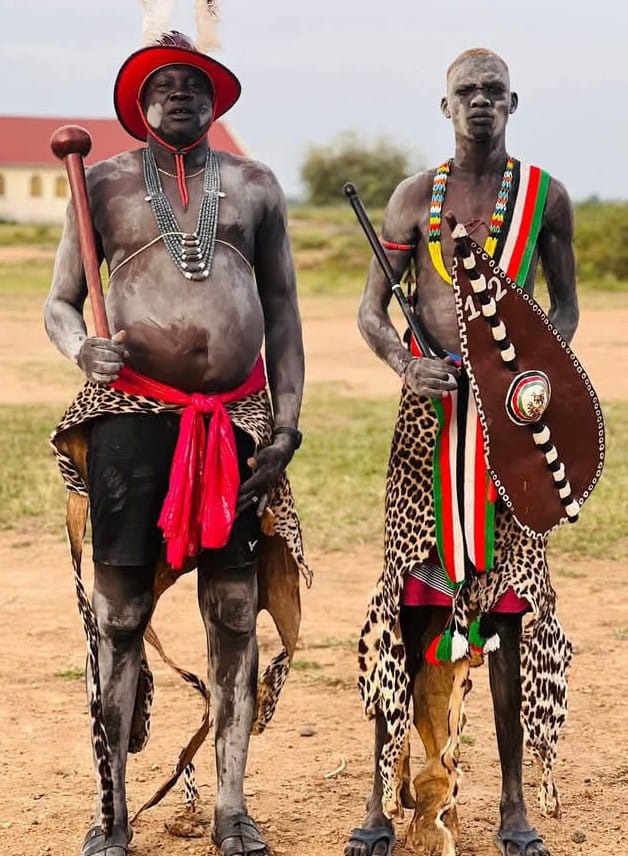
The Dinka people are a prominent ethnic group inhabiting the Nile Basin region of South Sudan. With a population of over 4 million, they are the largest ethnic group in the country. The Dinka have a rich cultural heritage, characterized by their pastoral lifestyle and strong communal traditions. The Dinka traditionally rely on cattle herding as their primary livelihood. Cattle play a central role in their society, not only providing milk, meat, and hides but also serving as a symbol of wealth and social status. Cattle raids and ownership disputes are not uncommon, and resolving conflicts through negotiation and compensation is an integral part of their culture. Social organization among the Dinka is based on clans, which are further divided into sub-clans and lineage groups. Each clan has its own territory and is led by a chief or a council of elders. The Dinka also practice age-set systems, where individuals progress through different age groups with specific roles and responsibilities. The Dinka have a vibrant oral tradition, which includes storytelling, folklore, and poetry. Traditional dances and music are an essential part of their cultural expression, often accompanied by the playing of the kadam, a musical instrument resembling a harp. Many Dinka folktales and songs revolve around themes of bravery, heroism, and community values. In terms of religion, the Dinka historically followed a traditional belief system centered around a supreme being called Nhialic. However, with the arrival of Christianity and Islam in the region, many Dinka have embraced these religions while also incorporating aspects of their traditional practices. Unfortunately, the Dinka people have been caught in the midst of conflict and displacement due to the prolonged civil wars in Sudan and South Sudan. Despite such challenges, they have maintained their cultural identity and resilience. Overall, the Dinka people are a fascinating and diverse group, deeply connected to their land, cattle, and community. Their rich cultural heritage continues to shape their way of life and serves as a testament to their enduring spirit.
Dinka's way of life around cattle and rivers
The Dinka people have a rich cultural heritage deeply intertwined with their unique environment of cattle, rivers, and the vast sudd wetlands. Their way of life revolves around their livestock, which are not only a form of wealth but also a central aspect of their social and spiritual identity. Cattle play a vital role in the Dinka community. They serve as a source of sustenance, providing milk, meat, and blood for consumption. The Dinka have a deep connection with their cattle, recognizing each animal by name and treating them as part of the family. Cattle are a symbol of status and wealth, and the size of one's herd reflects one's social standing within the community. The rivers also hold immense importance in the lives of the Dinka people. They rely on the Nile and other waterways for transportation, fishing, and irrigation. The rivers are not only a means of survival but also provide a sense of connectivity among different Dinka villages. They serve as gathering places for trade, social gatherings, and communal activities. One distinctive feature of the Dinka's environment is the sudd, a vast swampy region in South Sudan. This complex ecosystem of floating vegetation affects the daily lives of the Dinka. It offers numerous resources such as water plants, fish, and other aquatic animals which support their livelihoods. The Dinka have adapted to life alongside the sudd, navigating its water channels and utilizing it as an important part of their economic activities and cultural practices. In Dinka society, the responsibilities related to cattle and the utilization of rivers and the sudd are divided among both men and women. Men are primarily responsible for herding and protecting the cattle, while women often take charge of milking, processing dairy products, and tending to the domestic chores. The close relationship between the Dinka people and their livestock strengthens family bonds and sustains their way of life. Overall, the Dinka's way of life around cattle, rivers, and the sudd is marked by a deep interconnectedness with their natural surroundings. Their culture, traditions, and economic activities revolve around these elements, shaping their social fabric and identity as a pastoral community.


