

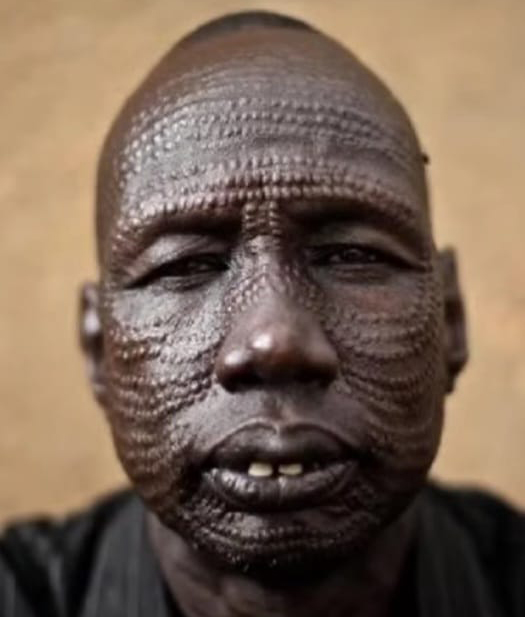
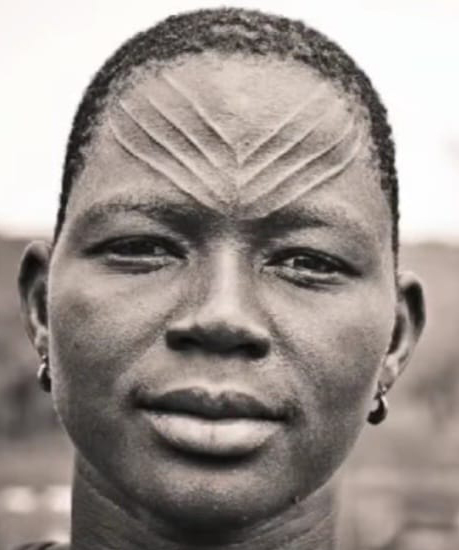
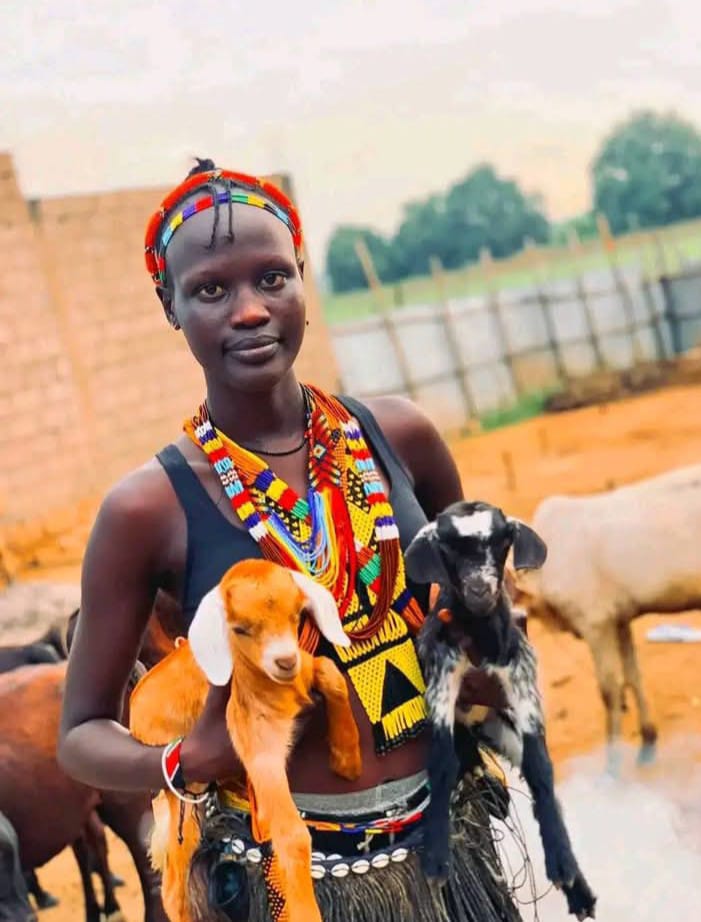
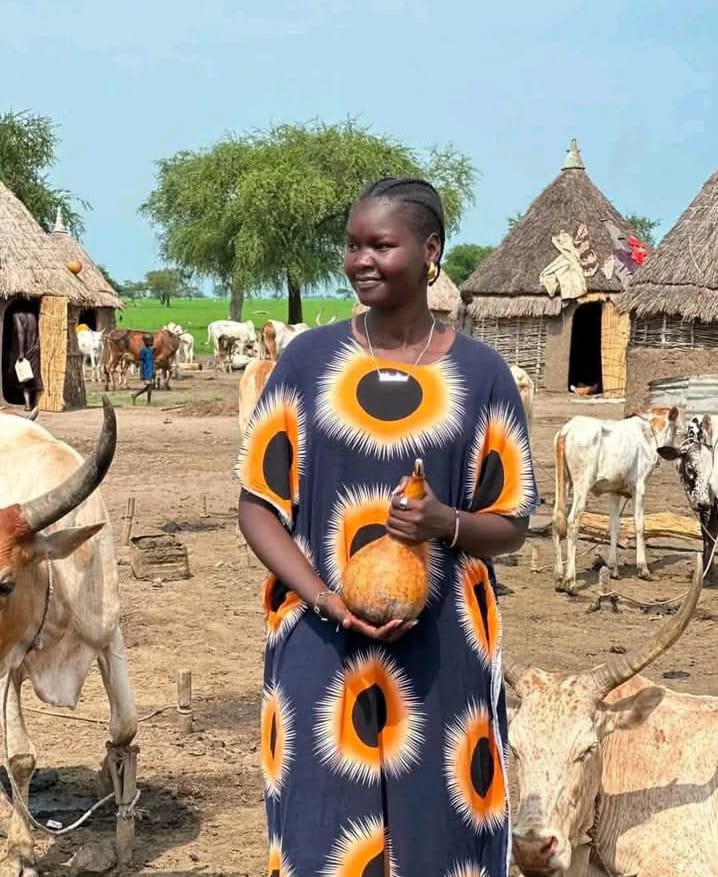
The Nuer tribe is a distinct ethnic group primarily residing in South Sudan and Ethiopia. Their culture is rich and diverse, encompassing various aspects of social life, economic activities, body modifications, and traditional practices, including facial and body scarification, body piercing, dressing style, building architecture, and initiation to adulthood. The Nuer people have a communal way of life, valuing their social structure and strong kinship ties. The tribe is organized into different clans and lineages, with each clan having its own unique identity and responsibilities within the community. Social life revolves around communal activities such as gatherings, celebrations, and ceremonies that reinforce their sense of unity and cohesion. Economically, the Nuer tribe relies on a combination of traditional agricultural practices and cattle herding. Cattle play a vital role in their society, symbolizing wealth and serving as a means of prestige and social status. The Nuer people are skilled farmers, cultivating crops such as sorghum, maize, and millet to supplement their diet. One distinctive feature of the Nuer tribe is their practice of facial and body scarification. Scarification is done by making intricate patterns or lines using sharp objects on the skin, leaving permanent marks. These scars are seen as a form of beauty and a means of identity within the tribe. Additionally, body piercing is another common practice among the Nuer people, with both men and women adorning their bodies with various types of piercings as a form of personal expression. The traditional dressing style of the Nuer tribe is characterized by simplicity and functionality. Men often wear animal skins or loincloths, while women typically dress in knee-length skirts made from local fabrics. Both genders adorn themselves with handmade jewelry, including necklaces, bracelets, and anklets, often made from beads and shells. The Nuer tribe is known for their unique building architecture, specifically their traditional settlements called "luak." These are circular or oval-shaped huts made from a combination of mud, grass, and wood. The huts are arranged in a circular pattern, with a central open space serving as a meeting area. Each hut is assigned to a specific family and is used for various household activities.
Initiation to adulthood is an important rite of passage within the Nuer tribe. This process, known as "the coming of age ceremony," takes place when young boys and girls reach a certain age. It involves various rituals and tests designed to prepare them for adulthood and their future roles within the community. These ceremonies often include physical challenges, cultural teachings, and religious practices that mark the transition from childhood to adulthood.


