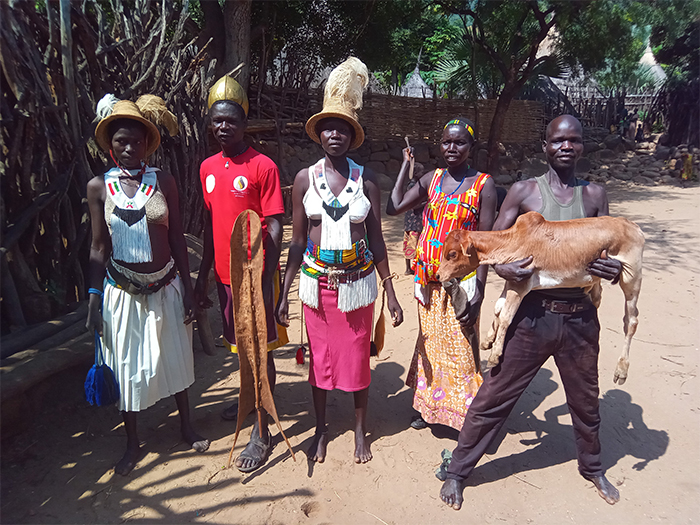
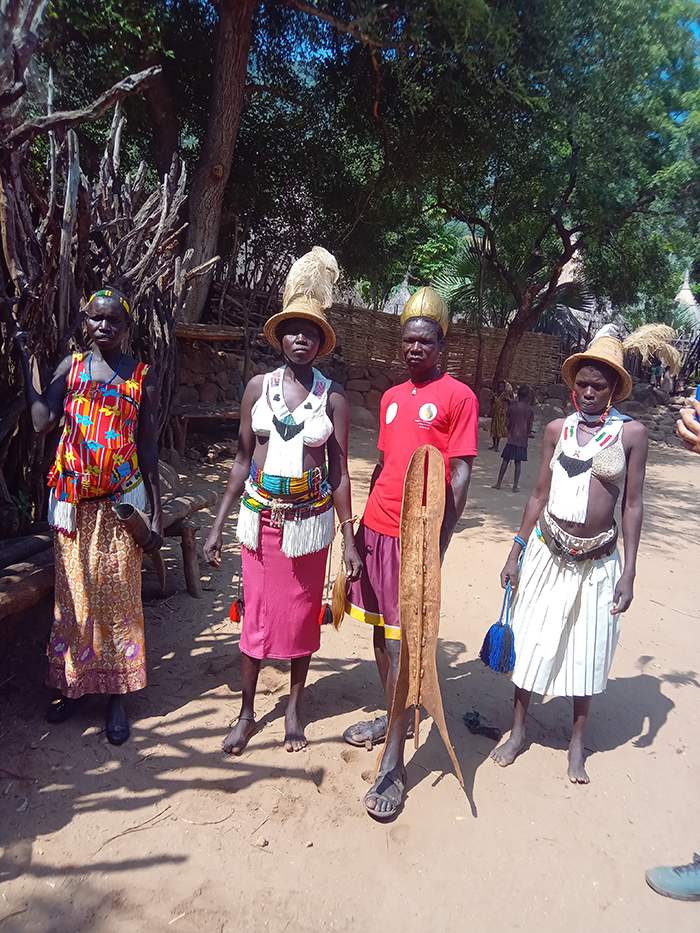
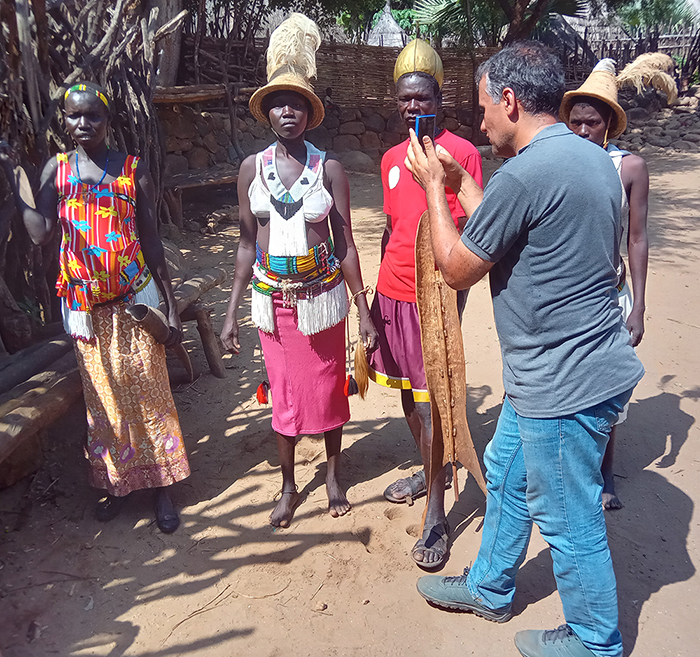
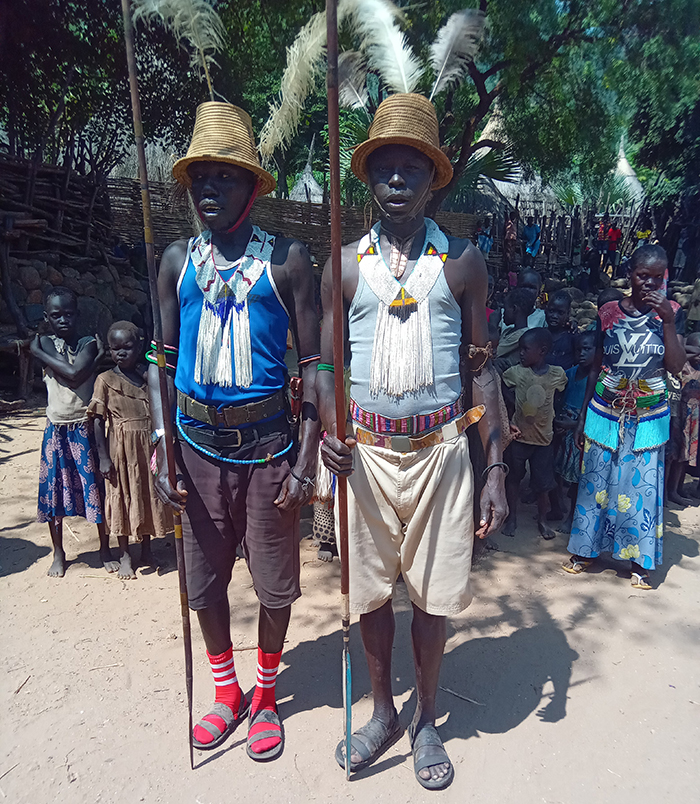
The Lopit tribe is an indigenous community residing in the Eastern Equatoria region of South Sudan. With a population of around 150,000 people, the Lopit have a rich and vibrant culture that reflects their deep connection to their land and traditions. One distinctive aspect of Lopit culture is their social organization. The tribe is organized into clans, which serve as the primary social units. Each clan is led by a chief who is responsible for maintaining order and resolving disputes within the clan. The Lopit people strongly value their communal ties and place a high emphasis on cooperation, harmony, and mutual support. Agriculture is the mainstay of the Lopit economy, with farming playing a pivotal role in their daily lives. The tribe cultivates a variety of crops, including maize, sorghum, millet, and beans. They practice a multi-cropping system, employing both rain and floodwater harvesting to maximize their yields. Livestock, such as cattle, goats, and sheep, also form an integral part of the Lopit economy, providing sustenance and serving as a symbol of wealth and prestige.


The Lopit tribe is an indigenous community residing in the Eastern Equatoria region of South Sudan. With a population of around 150,000 people, the Lopit have a rich and vibrant culture that reflects their deep connection to their land and traditions. One distinctive aspect of Lopit culture is their social organization. The tribe is organized into clans, which serve as the primary social units. Each clan is led by a chief who is responsible for maintaining order and resolving disputes within the clan. The Lopit people strongly value their communal ties and place a high emphasis on cooperation, harmony, and mutual support. Agriculture is the mainstay of the Lopit economy, with farming playing a pivotal role in their daily lives. The tribe cultivates a variety of crops, including maize, sorghum, millet, and beans. They practice a multi-cropping system, employing both rain and floodwater harvesting to maximize their yields. Livestock, such as cattle, goats, and sheep, also form an integral part of the Lopit economy, providing sustenance and serving as a symbol of wealth and prestige.